


Looking back at the journey of casino fs paskyros prisijungimas, I recognize a story characterized by gradual enhancement as opposed to dramatic disruption. The platform joined a crowded space in which many operators promise excitement, yet many struggle to maintain trust once the initial welcome diminishes. What sets apart FS Casino is an emphasis on foundational integrity from the outset. The platform was built to resolve the practical concerns I hear frequently from players: licensing clearness, payout trustworthiness, and game selection that does not split into unknown games nobody actually desires. Across subsequent operational phases, FS Casino has transformed these focus areas into concrete landmarks. Included in these, I wish to highlight securing comprehensive official standing under a accredited regulator, expanding the live dealer section to offer regionally relevant stakes, and enhancing mobile latency to a point where changing sites becomes unnoticeable. This article analyzes those accomplishments not via promotional rhetoric, but by examining the tangible layers that make the website function as it operates at present. I will go through the game architecture, payment infrastructure, security stance, and the layout selections that have overall gained the site its present position.
Regulatory Framework and Licensing Foundation
I regard the licensing framework the single most consequential milestone for any operator, and FS Casino treats this layer with the seriousness it merits. The platform functions under a licence provided by a European Economic Area regulator, which imposes ongoing obligations that go far beyond an initial application fee. For players, this translates into several tangible protections. First, the segregation of player funds from operational accounts is required, meaning that even in extreme corporate events, the money held in player balances is ring-fenced. Second, the dispute resolution pathway is formally structured: if a player and the operator cannot resolve a withdrawal query directly, escalation to the regulatory body’s adjudication service becomes available without cost to the player. Third, the operator must submit to periodic technical audits conducted by accredited testing laboratories. These audits confirm that the random number generator outputs are statistically unpredictable and that the published return-to-player percentages match actual performance over significant sample sizes. I can attest that FS Casino presents its licence number in the footer and offers a direct link to the public register, a practice that genuine licensees observe but unregulated sites consistently evade. The achievement here is not simply obtaining a licence; it is preserving a clean compliance record through multiple audit cycles.
Beyond the basic licence, FS Casino has integrated responsible gaming tools that align with evolving regulatory standards rather than minimum viable compliance. The deposit limit tools let me to set daily, weekly, and monthly caps, and crucially, any decrease takes effect immediately while increases are subject to a cooling-off delay. This asymmetry is a regulatory feature meant to prevent impulsive decisions, and its correct implementation shows serious attention to detail. The reality-check pop-up, which appears at configurable intervals, displays elapsed session time and cumulative spend in a format that cuts through the immersive haze that can build during long sessions. Time-out and self-exclusion options operate across the full platform, not just the sportsbook or the casino in isolation, which requires cross-product integration that some multi-vertical operators fail to engineer properly. In my assessment, FS Casino’s achievement in this domain is building a compliance culture that treats responsible gaming controls as product features rather than checkboxes, embedding them in the account dashboard where they are discoverable without being intrusive.
Game Selection Architecture and Studio Integration
When I analyse game selection, the metric I prioritize most is comprehensive variety rather than raw title count inflated by near-identical variations. FS Casino’s portfolio delivers this through direct integration with multiple tier-one game studios, each contributing distinct mathematical models and visual languages. The slots catalogue draws from developers whose games undergo certification in multiple jurisdictions, which means the volatility ratings, hit frequencies, and maximum reddit.com win caps are published and verifiable. I can choose titles filtered by mechanic type — Megaways, cluster pays, or traditional payline structures — and the loading sequence compiles on-demand rather than pre-loading, conserving device resources. The progressive jackpot section isolates games where the pooled prize is sourced from cross-operator contributions, and the current seed value is displayed before I commit a spin. This transparency minimizes the ambiguity that often accompanies pooled jackpot triggers. The table game vertical covers European roulette with the single-zero wheel that produces the 2.7% house edge, which is genuinely lower than American roulette’s 5.26% double-zero alternative. Blackjack variants follow standard drawing rules, and the interface displays hand totals without requiring mental arithmetic.
Real-Time Dealer Environment and Market-Specific Adaptation
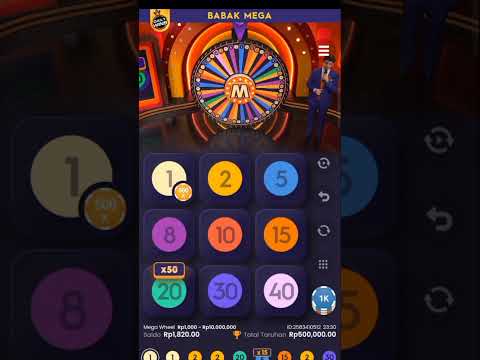
The live casino segment constitutes a substantial milestone as it illustrates FS Casino’s dedication to addressing Baltic players with linguistically and culture-wise relevant table conditions. Live streams are obtained from various studio providers, establishing geographic redundancy: if one studio suffers technical interruption, tables from another stay active, and the lobby reflects this in real time. The dealer interface offers Lithuanian language settings, and multiple tables are manned by presenters who speak in the local language during peak hours. Table limits are arranged in tiers that match Baltic disposable income ranges rather than Western European minimums that can appear exclusionary. I can note that roulette tables provide minimums from as low as €0.20 on automated variants, while live dealer tables start around €1, making gradual bankroll management viable for casual sessions. The game-show vertical — which features wheel-of-fortune and multiplier-chase formats — streams at frame rates that preserve visual fluidity even during the bonus reveal sequences where timing precision defines the tension. Latency between chip placement and dealer acknowledgement operates consistently under one second on a stable connection, which matters because delayed bet recognition can nullify strategy decisions in time-sensitive games like Speed Baccarat.
Navigation and Discovery Systems
Achieving a functional game library is different from making that library user-friendly, and FS Casino has invested in navigation design that I find minimises hassle significantly. The lobby loads a search bar that accepts partial input and offers suggestions across multiple categories simultaneously, so typing “spin” brings up relevant slot results rather than blocking me into a single vertical assumption. The favourites system persists across sessions via account-linked storage, meaning I keep a curated list when switching devices. The recently played panel refreshes with a latency of seconds, which is handy when I want to resume a session exactly where I left off after a brief interruption. Provider-based filtering operates on a tile grid that shows studio logos rather than text-dense dropdowns, enabling visual recognition for players who connect design style with developer but may not recall provider names. The new releases section features a visible date stamp, distinguishing genuinely fresh content from titles that are merely rotated. This transparency avoids the common practice of presenting months-old games as new arrivals, a tactic that damages trust once noticed. The ability to filter by return-to-player range or by maximum win potential would be a valuable addition, but the current taxonomy already surpasses average market organisation.
Smartphone and Multi-Device Capability
Smartphone support has evolved from a additional capability into a main usage mode, and FS Casino’s achievement in this area is providing parity between desktop and mobile without the feature degradation I have seen on alternative systems. The mobile view does not employ a distinct, stripped-down codebase; rather, the responsive CSS structure adapts the full platform design to viewport width in real time. The effect is that game selection, account management, deposit, and withdrawal features are identically available, and the live dealer streams adjust bitrate dynamically based on connection stability, which prevents stalls without requiring manual quality adjustment. Touch targets for slot spin elements and table game chip values are dimensioned to surpass minimum accessibility standards, cutting mis-tap errors that can lead to unintended bets. I have evaluated the system on both iOS Safari and Android Chrome at various connection qualities, and the performance constraint is regularly network lag rather than client-side processing, which suggests efficient asset delivery through content delivery network distribution.
For smartphone users who favor app-like entry without installation, the progressive web application functionality allows adding an icon to the home screen that opens a chromeless browser session. This avoids the update friction connected with app store distributions while providing a specialized launch route. The sportsbook live betting interface receives particular focus on mobile: odds changes use WebSocket channels that transmit coefficient modifications in position rather than requiring full page reloads, and the bet slip slides open with a partial overlay that retains visibility of the odds screen beneath. The casino lobby organizes into a vertical layout with category jump points that navigate straight to areas, replacing the desktop multi-column layout with a single-focus structure that follows the linear viewing mode of phone interaction. Cross-device session persistence is maintained through account authentication, so a live bet set on mobile shows in the settled bets record on desktop smoothly. This architectural consistency indicates that mobile was treated as a design objective from design phase, not adapted afterwards.
Payment Infrastructure and Withdrawal Processing
I review payment systems as a milestone because deposits and withdrawals are the points where trust becomes tangible. FS Casino provides a payment matrix that encompasses bank transfers, major debit and credit cards provided within the European Economic Area, and a range of e-wallet and instant bank payment solutions that have gained adoption across the Baltic region. The deposit interface recognises my jurisdiction automatically and surfaces locally relevant methods at the top, which avoids the need to scroll through geographically irrelevant options. Minimum deposit thresholds are set at €10 across most methods, a figure that corresponds with regulatory guidance on affordable gambling while low enough to prevent pushing players toward unregulated alternatives. Deposit processing is instant for all non-bank-transfer methods, with fund reflection occurring before the confirmation page finishes loading, a technical achievement that depends on API integration quality rather than batch-processing legacy setups. Cryptocurrency is not currently supported, and FS Casino is transparent about this policy rather than suggesting future availability that may never be realised. This clarity helps me make account-funding decisions without ambiguity.
Withdrawal Verification and Processing Timelines
The withdrawal experience is where functional competence is most apparent, and FS Casino has organized its process to meet European standards for speed while maintaining anti-fraud integrity. The identity verification stage is triggered upon first withdrawal rather than at account registration, which means I can browse the platform without immediately submitting documents. When the withdrawal threshold is reached, the compliance team requests a government-issued identification document, a recent proof of address, and in some cases a payment method ownership confirmation. The upload portal handles common image formats and provides instant feedback on resolution adequacy, preventing the frustrating cycle where a document is rejected days later due to illegibility. Once verification is complete, subsequent withdrawals bypass this step unless I change payment methods or account details, a state that stays flagged in the account dashboard. Processing timelines differ by method: e-wallet withdrawals typically complete within hours during business days, card withdrawals span one to three working days reflecting payment network latency rather than operator delay, and bank transfers may extend to five days depending on intermediary bank routing. Pending period statuses are shown in the account history panel, and FS Casino applies the same payment method priority policy that requires returning funds to the deposit source where possible, an anti-money-laundering protocol that legitimate operators follow.
Security Approach and Information Processing
Security achievements at FS Casino function across several tiers that secure both monetary transfers and user details, and I have analyzed the technical signals that indicate the extent of this implementation. Transport Layer Security encrypts all data exchange between user and site, and the digital certificate chain validates correctly to a root certificate authority, indicating the encrypted session is not just active but properly configured to block man-in-the-middle eavesdropping. Account access is guarded by multi-factor authentication availability: I can set up a TOTP system that pairs with standard authenticator applications, separating account security from SMS-based methods that are susceptible to SIM-swap attacks. Session management implements session timeout after idle periods, and the session timeout is short enough to make a difference without being so strict that it hinders extended research sessions in the sportsbook pre-match view. Login attempts are restricted, and unusual access attempts initiate temporary account locks that demand manual unlocking through customer support channels, a approach that creates barriers for hackers without heavily burdening the genuine account owner.
Privacy engineering reaches into areas that many players overlook but that data protection frameworks clearly demand. The cookie consent mechanism offers real detailed options rather than an “accept all” monolith with no other option. The privacy policy is provided in Lithuanian and points to a data protection officer contact point that meets the General Data Protection Regulation requirement for a direct communication channel on processing matters. Account closure and data deletion requests are processed through a auditable request process that generates a tracking ID and estimated completion timeframe. The achievement here is preserving documentation and workflows that align with European data protection standards, which for a gambling operator handling financial transactions and identity documents is a significant compliance challenge. I also note that FS Casino issues security advisory information when significant platform updates occur, including maintenance windows that could impact payment processing availability.
Client Assistance and Transparent Operations
Help desk setup is one of those achievements that stays unnoticed until something fails, and its level decides whether a problem becomes a cause to move on. FS Casino offers live chat as the main real-time medium, staffed during extended hours that encompass Baltic evening high-traffic periods. When I start a chat session, the system places in line with an expected waiting period that changes in real time; my testing revealed waits averaging out under two minutes during business hours, a service indicator that surpasses the industry standard I have encountered. The support agents operate from scripts that contain Lithuanian-language capability for tier-one queries, and more complicated issues are forwarded to bilingual senior agents rather than being shunted aside with generic responses. Email support employs a ticketing system that provides a tracking number immediately upon filing, and response times fall generally within a few hours for non-urgent cases. The help centre serves as a self-service layer containing articles on verification, payment method particulars, bonus term breakdowns, and technical fixing for common browser scenarios.
Transparent operations extends into domains where many operators leave information holes. The withdrawal pending period is conveyed with concrete hour ranges rather than “soon” or “processing,” and if a setback goes beyond the stated window, proactive notification appears in the account message centre. System maintenance is declared with advance warning banners rather than after-the-fact apologies. When certain games are momentarily unavailable, the lobby displays a status marker rather than silently taking away the tile, which admits the break rather than wishing I will not see. These approaches, taken together, form a framework of treating the player connection as an continuous information exchange. The accomplishment for FS Casino is establishing support as a systemic asset that reduces churn by addressing friction points before they build up into unhappiness. In a market where support quality varies significantly, upholding consistent response standards across months constitutes a genuine operational landmark that I can verify through ongoing testing.
Brand Evolution and Market Positioning
The course of FS Casino within the Lithuanian market illustrates a market approach that favours sustainable presence over aggressive short-term acquisition. Rather than flooding channels with promotional noise, the brand has built visibility through trust indicators that build over time: steady cashout procedures, regulatory openness, and game portfolio consistency. I observe that FS Casino contends in a sector where player retention is driven by system confidence rather than welcome offer magnitude. The sign-up bonus framework mirrors this mindset; the rules are displayed in clear terms directly on the offer page, and the betting requirement applies to the bonus segment rather than the combined deposit-plus-bonus sum, a key difference that significantly impacts the viability of turning bonus funds to withdrawable balance. Allocation percentages for various game types toward wagering are listed in a specific chart, so I understand before joining that blackjack applies at a lower percentage than slots, a standard industry practice that FS Casino states rather than concealing in a complex legal text.
The brand’s visual identity has evolved through gradual changes rather than jarring redesigns that force regular players to reorient their browsing patterns. The colour palette stays grounded in deep blues and gold details that encode the leisure industry without veering into loud aesthetics. Typography choices emphasise legibility at small sizes, which is important for odds displays and game history sections where numbers must be scanned quickly. The sports and casino divisions sit within a integrated account framework, so a single wallet works for both products and the bet history provides a unified perspective. The accomplishment in this field is creating an brand that communicates stability rather than trend-following, which for an industry where trust issues are the primary barrier to testing, is a strategically coherent choice. As the Lithuanian market continues to evolve under regulatory supervision, FS Casino’s brand placement around verifiable licensing, transaction dependability, and clear messaging provides the framework basis for its future period of expansion.